Trianon-museum Várpalota

The Trianon-Museum

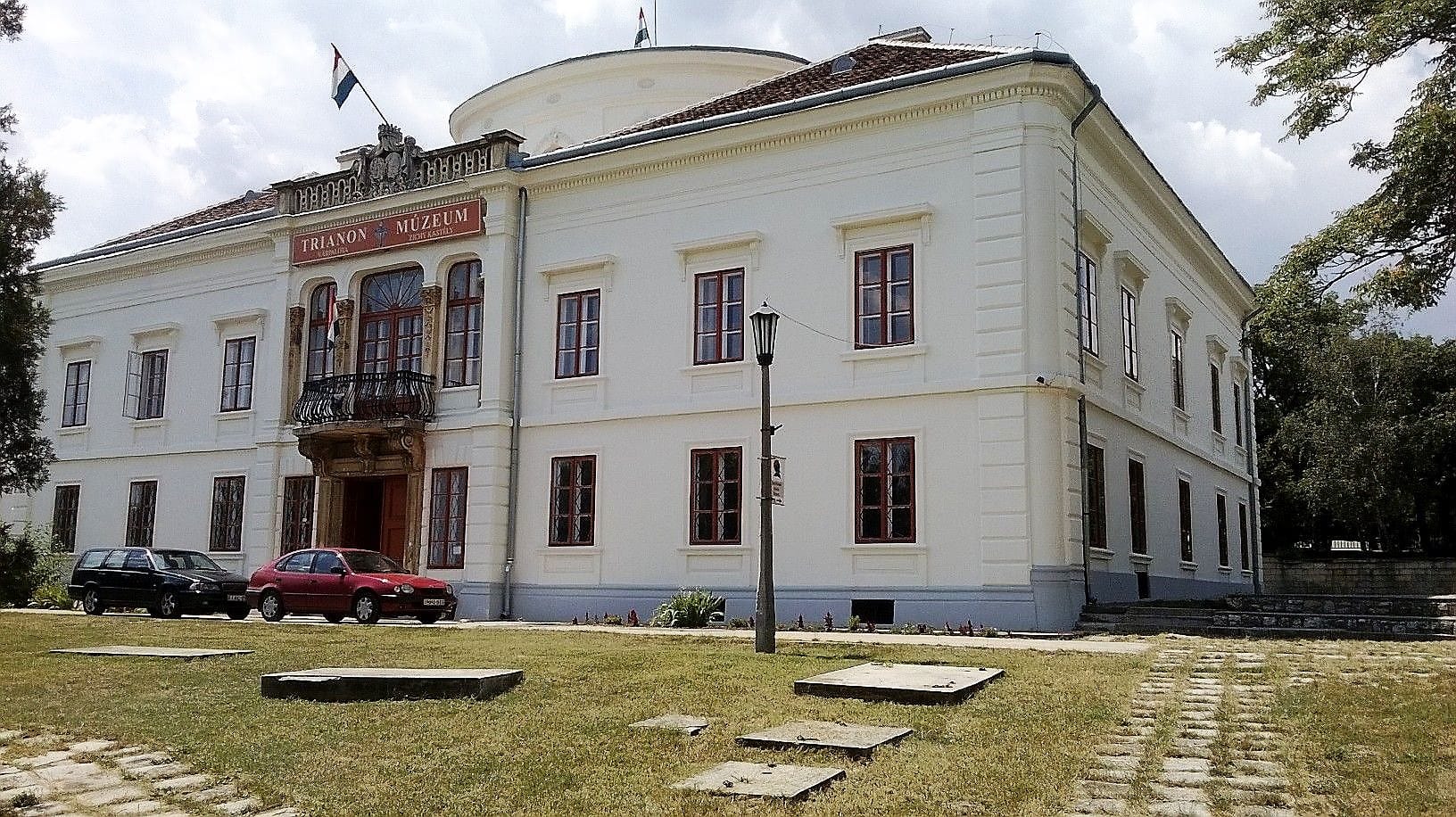
There are two castles in Várpalota. One dates back to the Middle Ages and played an important role in the fight against the Turks. Construction of the second castle began in 1721 by the Zichy family. Since 2004, the second castle has housed the Trianon Museum.

The Trianon Museum is the only institution in the Carpathian Basin that focuses on the peace treaty after the First World War and its consequences to this day. The material presented in the museum covers both the history and the consequences of the Trianon Treaty with regard to the Carpathian Basin. This history includes the events of the First World War, the armistice and the collective reprisals suffered by the Hungarians after the war.
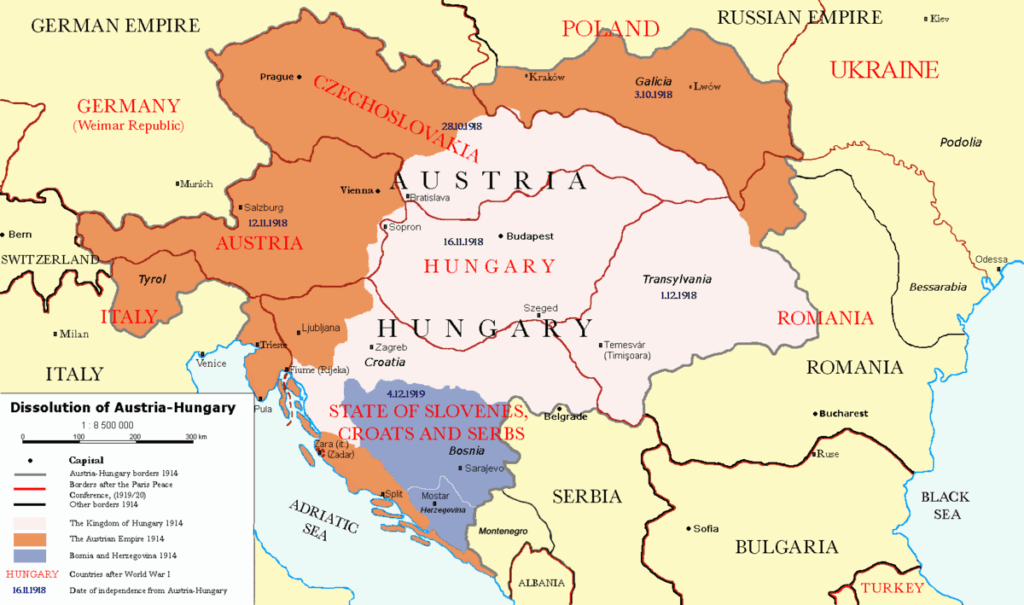
Dissolution of Austria Hungary

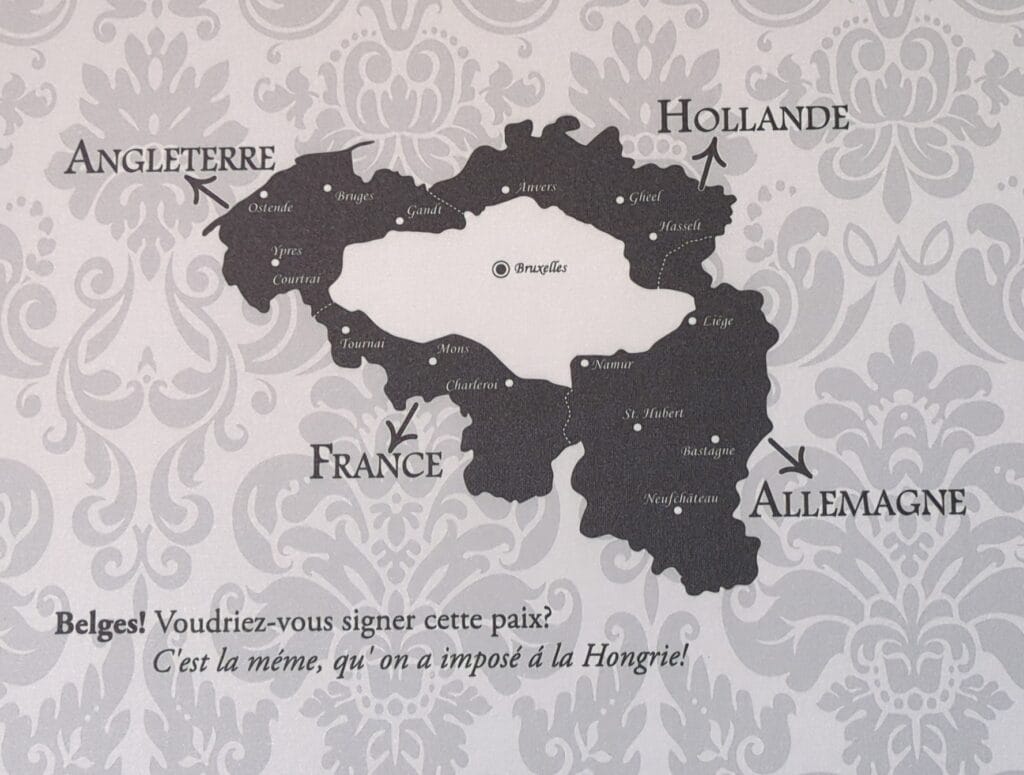
For us, as Belgians, the First World War is of course mainly associated with the Yser Front, but Hungary was then part of the Austro-Hungarian Empire, which fought alongside Germany on the other side of the front. So it is very instructive to see that side of things too. For the Hungarians, it was a traumatic event. On 4 June 1920, in Trianon, a hamlet near Versailles, the Treaty of Trianon was signed between the victors of the First World War and Hungary. With a single stroke of the pen, Hungary lost 71.5% of its territory and 13 of its 21 million inhabitants. It also lost a large part of its raw materials and industrial production.
IMG 20250406 123926

For years, Hungary asked for the treaty to be revised, but this request fell on deaf ears in Paris and London, although it was met with understanding in Berlin and Rome. As a result, Hungary sided with Berlin and Rome in the Second World War and once again found itself on the losing side.

The museum is beautifully designed. Várpalota is, after all, only a small provincial town, but this museum far exceeds that level. It is definitely worth a visit. It is a pity that all the texts in the museum are only available in Hungarian, so a translation app is essential. The museum also has a second part, the Great Hungarian Park, a few kilometres from the town, where you can see, among other things, the metre-high models of the Millennium Memorial Columns that were inaugurated in 1896. But that park is for a next visit.
Similar Posts

  • Bátorkő Vára

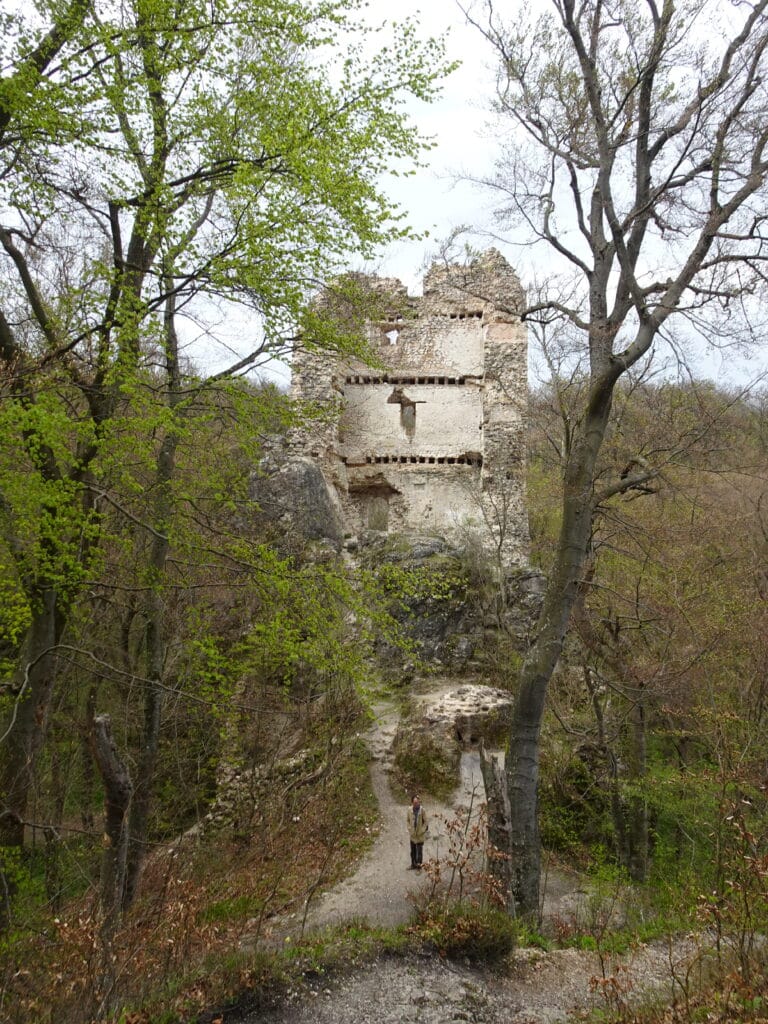
    In the vicinity of Várpalota, near the Bakony Mountains, there are beautiful, well-maintained walking and cycling trails, ideal for trips in April and October. The Mapy app makes it easier to find routes than Google Maps. A favourite walk is the 10 km trip to the ruins of Bátorkő vára, via the ‘red cross’ path and back along the ‘red stripes’ cycle path. Plants such as blue iris, vinca and wild garlic grow here in the wild, giving off a strong scent.

  • Cycling tour around eastern Balaton

    We went on a three-day cycling tour along Lake Balaton, with an extra loop through the Bakony region to cover sufficient distance. We started in Berhida and cycled via Eplény along quiet country roads to the north coast. Via Balatonfüred and the coast of the Tihany peninsula, we crossed over to the south shore at Szántód. On the third day, we temporarily left the shore, cycled over cliffs and forest roads, and ended up back in Berhida. We encountered unpaved or impassable sections, sometimes overgrown paths, and busy stretches without cycle paths; but everywhere we enjoyed views, tranquillity, and flexibility.

  • |

    History lessons from Budapest

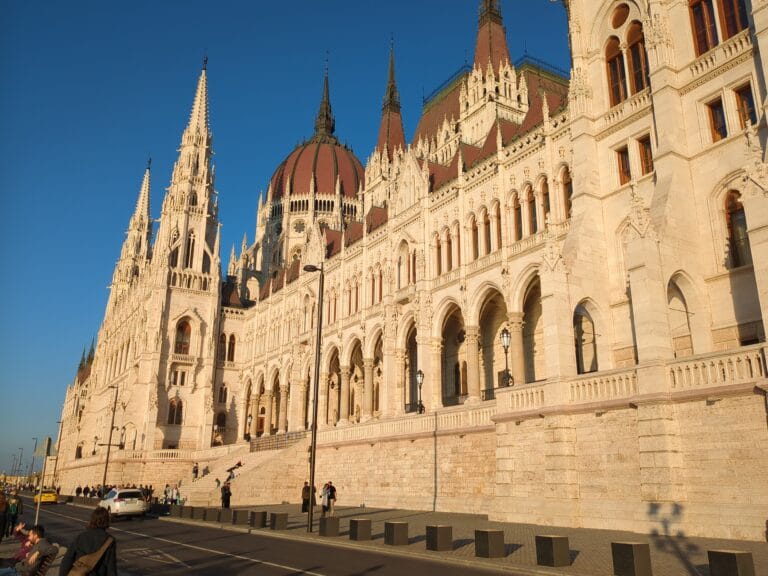
    Discover Hungary’s complex history in Budapest by delving into the dark 20th century. Visit the Jewish quarters, the Great Synagogue and the Shoes Memorial for an impressive experience about the Holocaust. The Terror Háza Museum highlights the Nazi and Communist periods, while Memento Park preserves Communist statues. Learn about the silent resistance of Hungarians and their resilience. A fascinating people with a history full of nuances, where no story is black and white.

  • Discovering Hollókő – A Timeless Hungarian Village

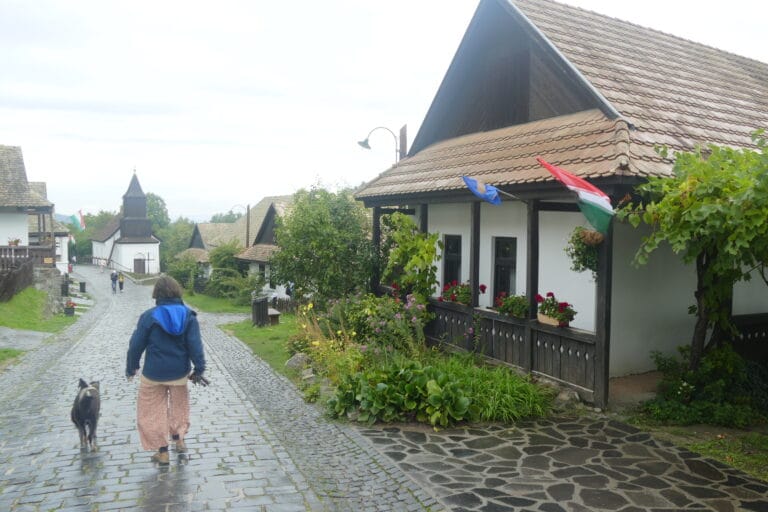
    A visit to the historic Hungarian village of Hollókő, near the Mátra Mountains. Comparable to Bokrijk, but authentic: the houses are still in use. The village mainly lives off tourism: shops, cafés, museums in every house. You can walk to a castle and further on to a work of art called “the palm of God” with views over the valley. Conclusion: definitely worth a visit, especially if you are staying in the Mátra.