The Citadel on Gellért Hill
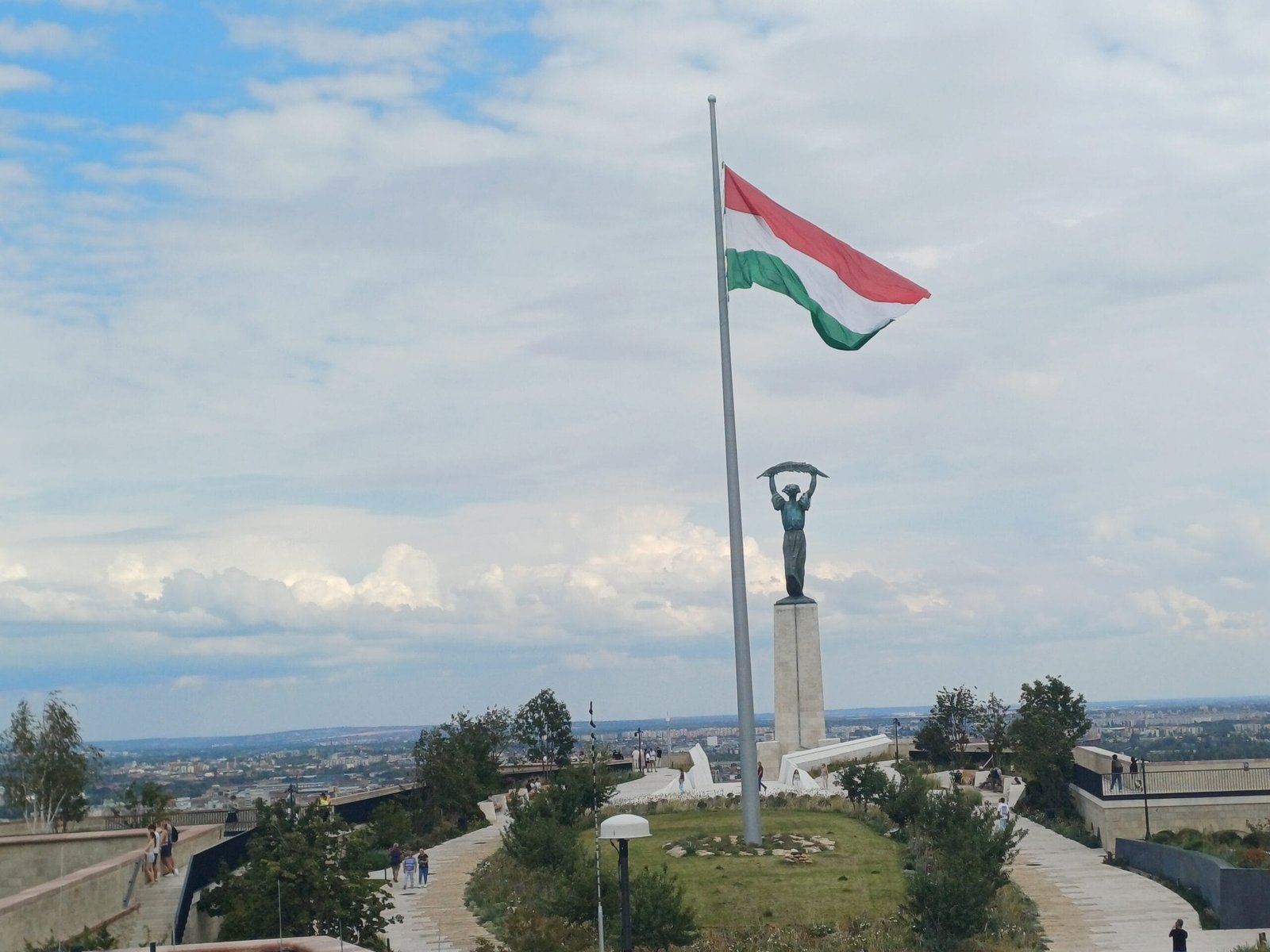
The previous times we visited Budapest, the citadel overlooking Budapest from the Buda side was closed for renovations. So we had to wait a long time before we could finally enjoy the magnificent views.
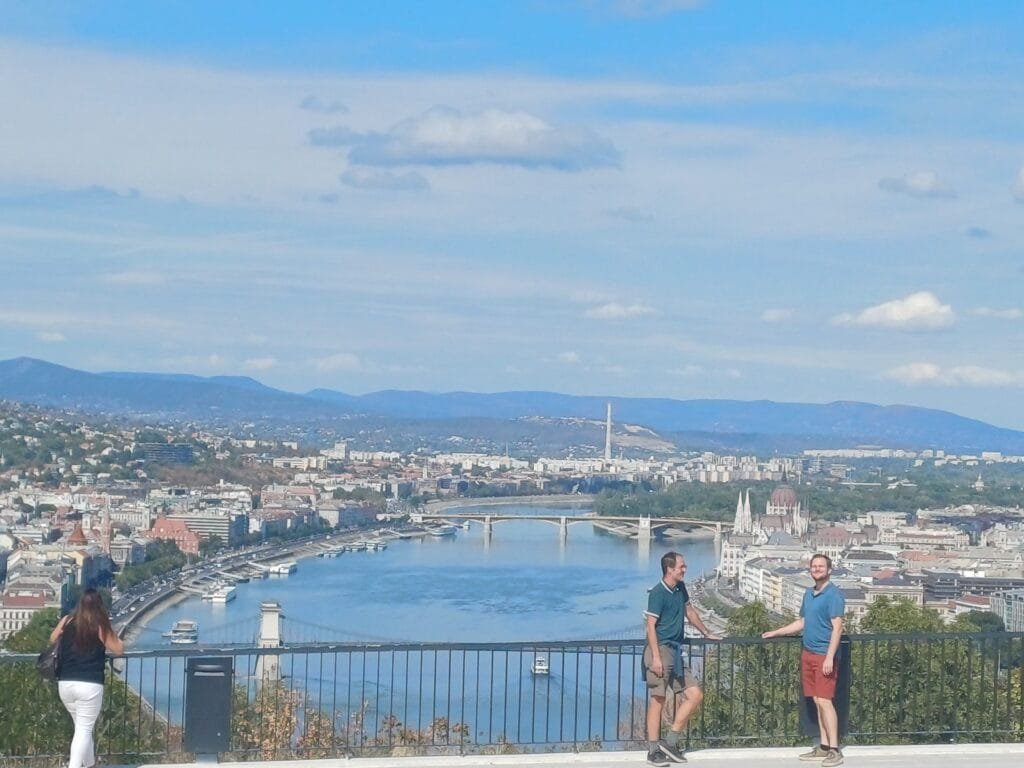
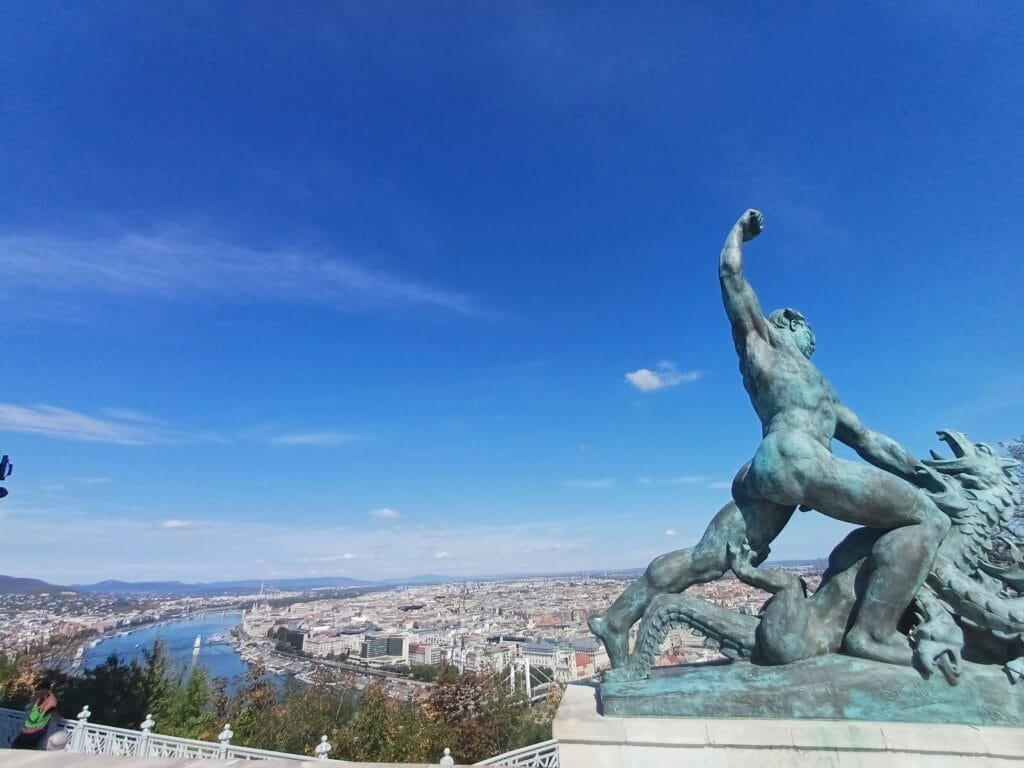
It’s a fairly steep, short climb to the top of Gellért Hill. The hill is named after the unfortunate saint who converted Hungary to Christianity, but who was eventually thrown off the mountain by a group of pagans. There is also a large statue of him on the hill. But you can also take a taxi almost all the way to the entrance.
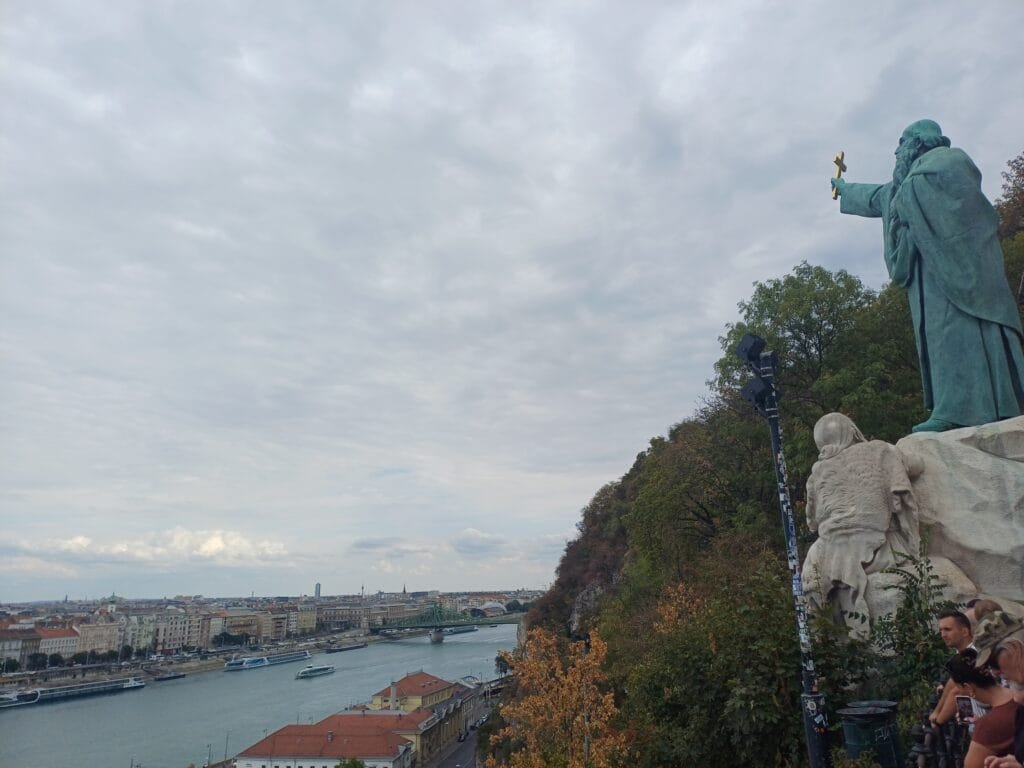
One striking detail: the citadel’s gun ports are aimed towards the city. The citadel wasn’t built to fend off an invading foreign enemy, but to keep the rebellious Hungarians in the capital under control… It was built in 1851 by the Austrians following yet another Hungarian uprising.
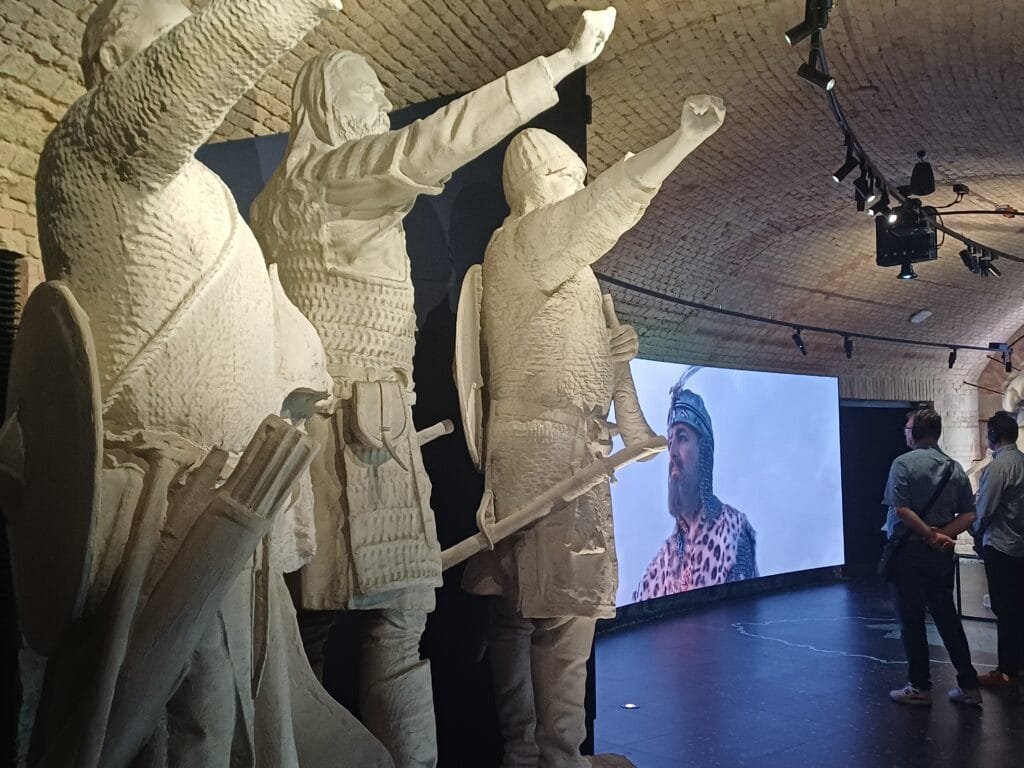
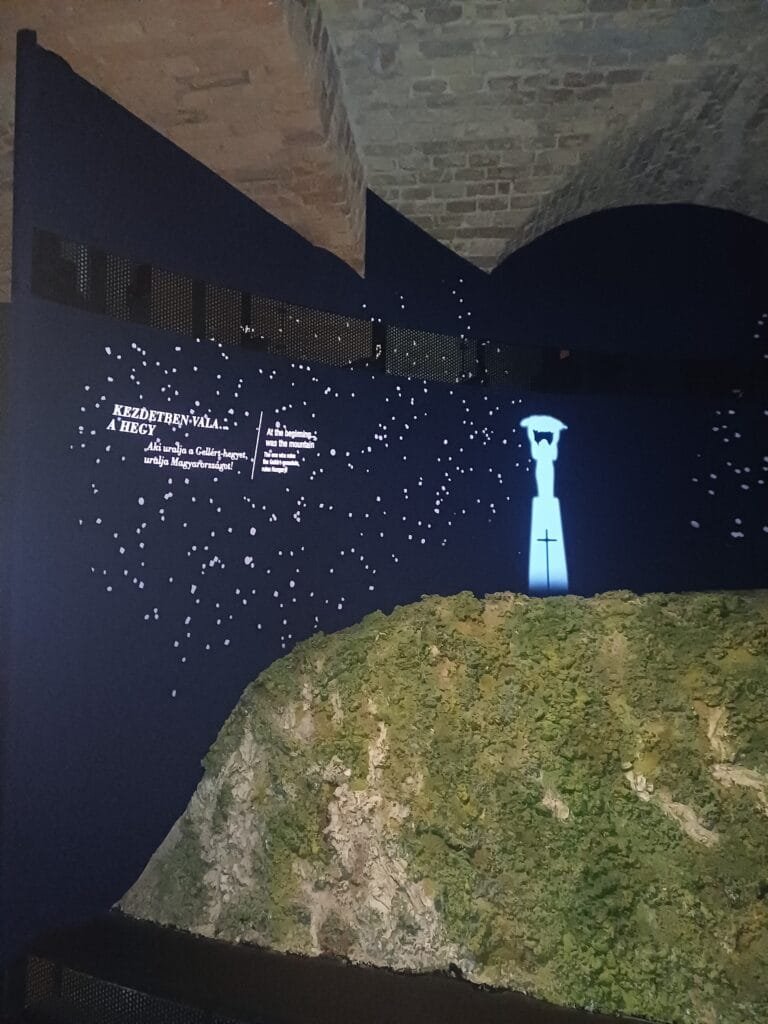
But they didn’t just restore the citadel; they also created a completely new exhibition. With the help of AI-generated film fragments, the entire history of Hungary is brought vividly to life. A very pleasant voice — with a choice of languages — tells the story as soon as you enter a room. From the very first ‘Magyars’ who settled here in the 9th century all the way to the end of Communist rule.
It’s an exhibition we’ll happily visit again when we have guests staying with us: the history is just so fascinating and colourful. It’s hard to pick highlights. The common thread is really that the Hungarians have repeatedly risen again and managed to preserve their identity and language, even when they were partly or completely occupied. And of course: “the one who rules Gellért Hill, rules Hungary.”
We’d call it a ‘must-see’ if you want to understand a little more about the Hungarian people. It’s an ideal way to start your visit, giving you some context for everything else you’ll see.