IMG 20260912 122202 053 scaled

Drought

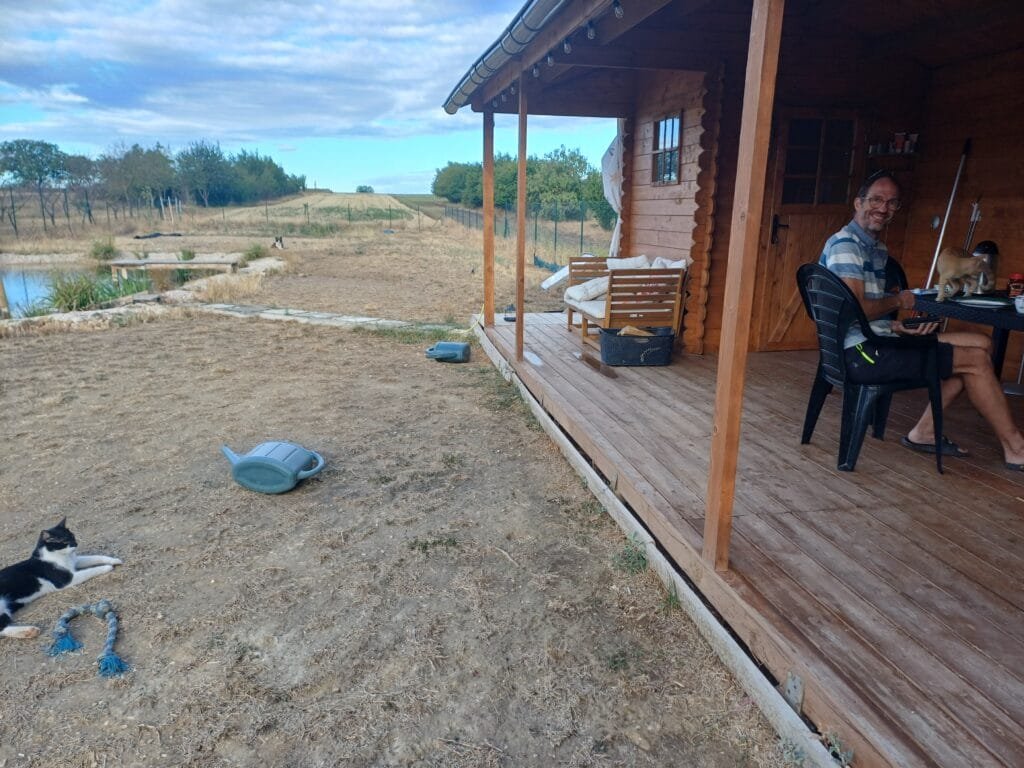
We partly chose Hungary because of the climate: warm summers, but enough rain to have a lush, fertile garden… Well, that didn’t quite work out this year. Our beautifully germinated grass couldn’t cope with the drought, and with only 250 mm of rain instead of the average 750 mm, irrigation simply wasn’t realistic. We managed to keep most of the young trees and shrubs we planted alive. Now all we can do is hope for a wetter year next year!

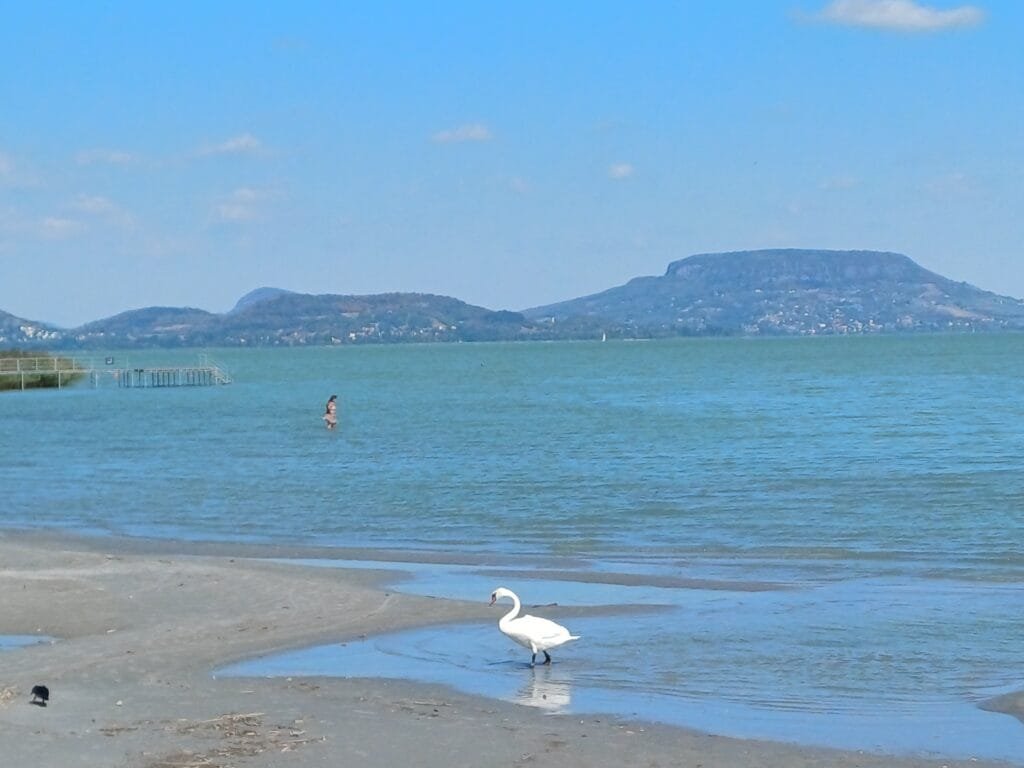
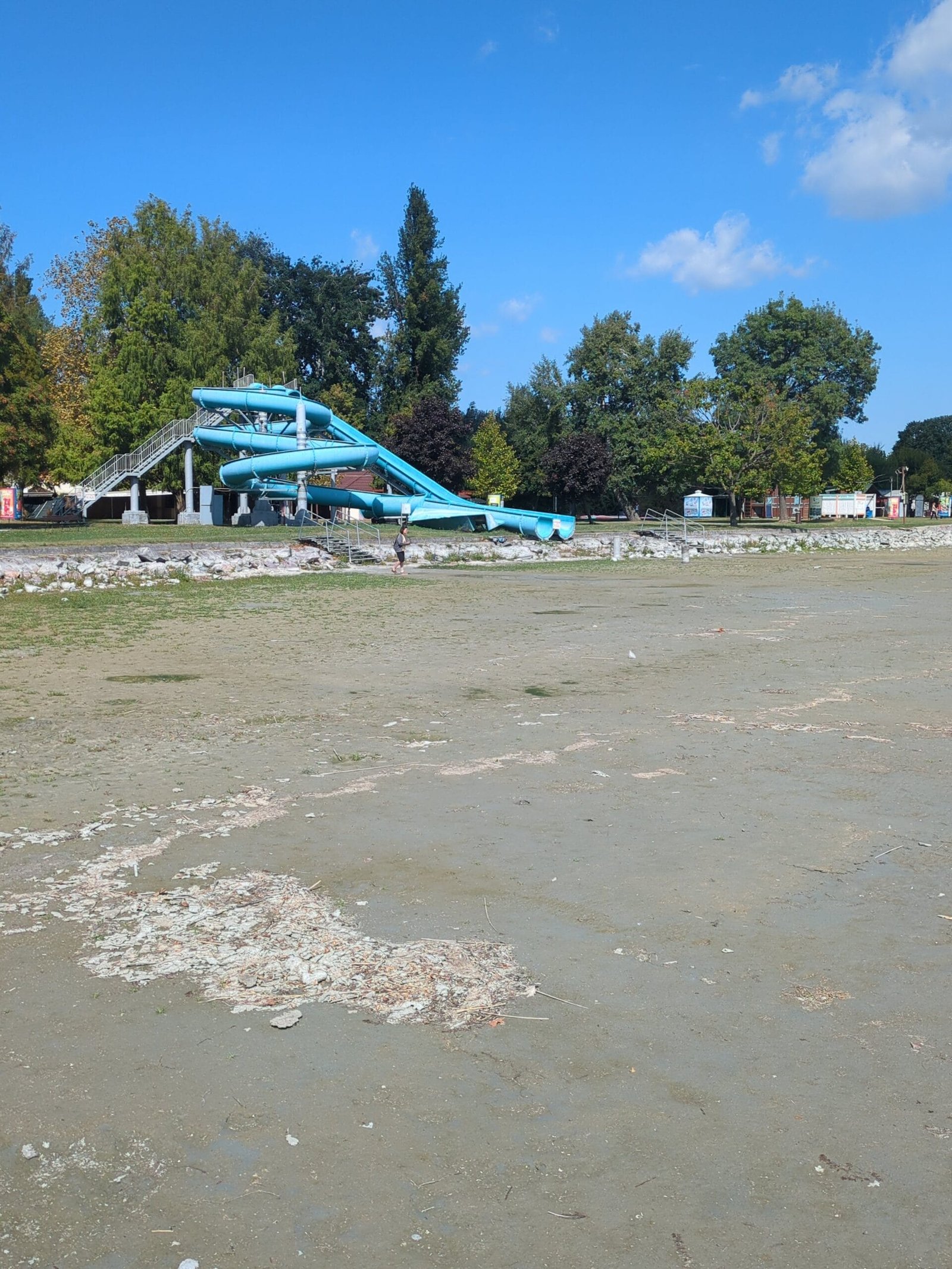
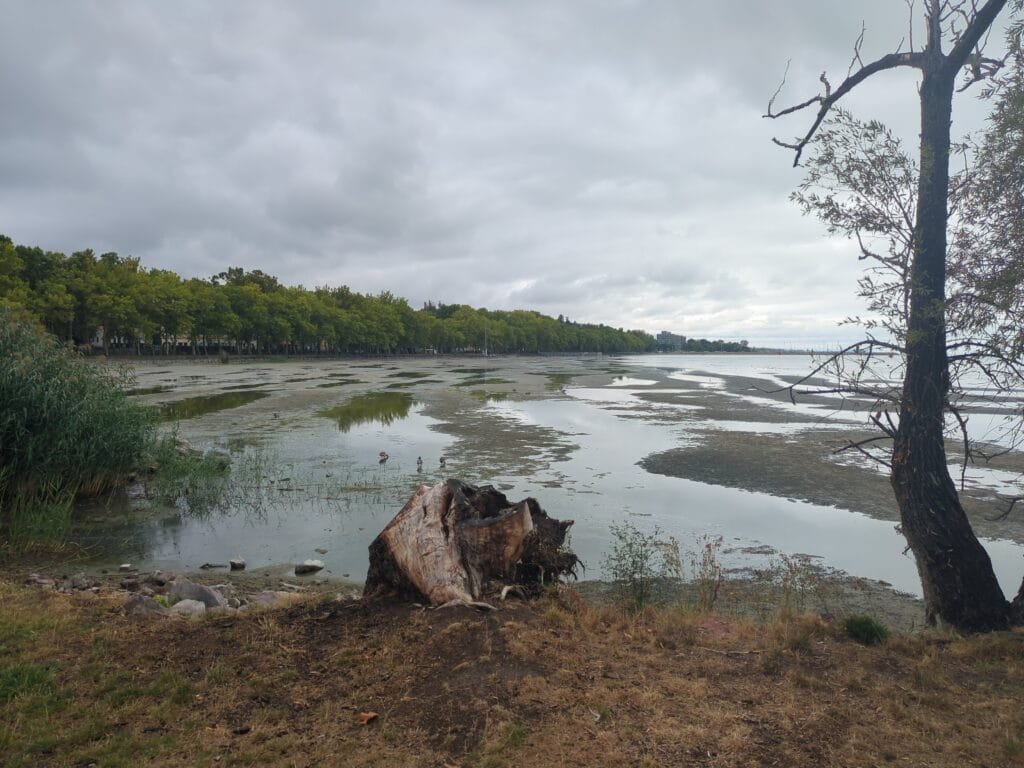
Just how exceptionally dry it was could also be seen in places like the Danube and Lake Balaton. The fun water slides that end in the lake were closed one after another, because you ended up in the water far from the actual shoreline. On top of that, the ground beyond the beach (in Hungary, that means a grassy area along the lake rather than a sandy beach) is a mixture of sand and clay, which can become quite muddy in places. Instead of a nice transition from grass to water, you got 20–50 metres of mud.

The birds seemed to love it, and it is actually quite beautiful too, but another metre of water would certainly be welcome before next season!
Similar Posts

  • Understanding stones

    In Hungary, the stones are often buried under the surface and are only visible when the fields are ploughed. However, we note that the stones disappear because the soil ‘eats’ them. We think the frozen soil under the stones melts, causing them to sink.

  • All animals

    One of my favourite pastimes is watching all the life in and around our home. The pond especially has proven to be a true oasis in this dry land. In no time at all, we’ve welcomed several frog species, a European green toad, and hundreds of birds (including 200 sparrows, wagtail, yellow wagtail, goldfinch, crested…

  • Bátorkő Vára

    In the vicinity of Várpalota, near the Bakony Mountains, there are beautiful, well-maintained walking and cycling trails, ideal for trips in April and October. The Mapy app makes it easier to find routes than Google Maps. A favourite walk is the 10 km trip to the ruins of Bátorkő vára, via the ‘red cross’ path and back along the ‘red stripes’ cycle path. Plants such as blue iris, vinca and wild garlic grow here in the wild, giving off a strong scent.

Leave a Reply

Your email address will not be published. Required fields are marked *