History lessons from Budapest
Of course, you can spend many wonderful days in Budapest sightseeing and visiting all the beautiful things this city has to offer. But if you want to understand the Hungarians better, it is definitely worth delving into the dark periods of the 20th century. History is written by the victors, and in Budapest, there have been quite a few changes in who the ‘victors’ are. After World War I, the Hungarians lost two-thirds of their land (and population), as they were part of Austria-Hungary and therefore partly to blame. They joined Germany in World War II in the hope of regaining their land, but they were still a refuge for Jews. Afterwards, they were liberated and occupied again, this time by Russia. And in 1989, it was in Hungary that the dismantling of the Iron Curtain, and with it the fall of communism, began.
Jewish quarter
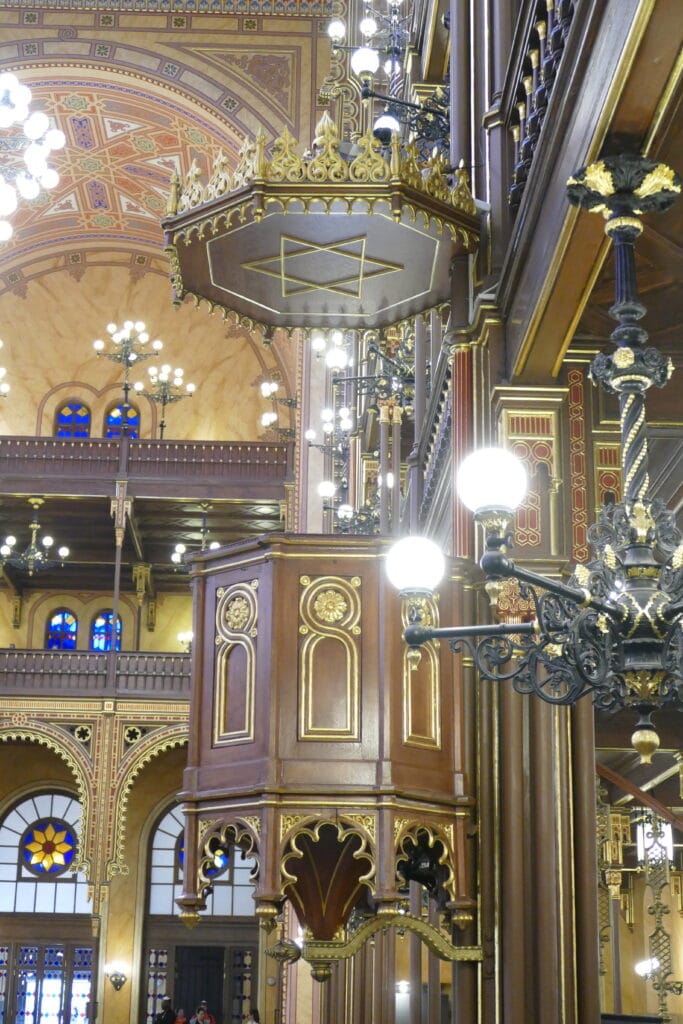
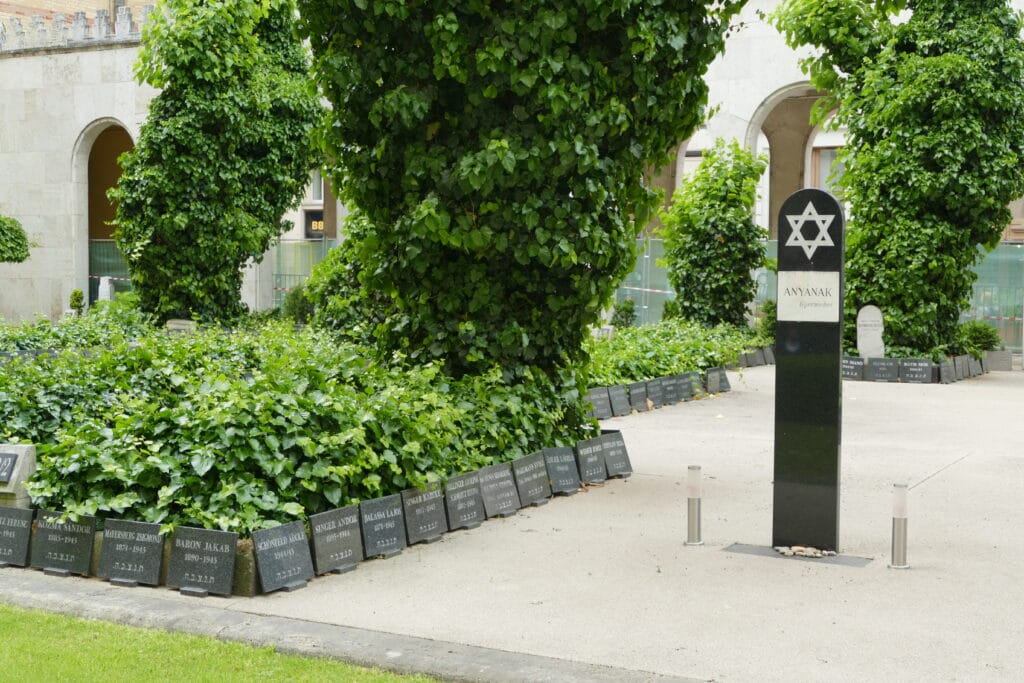
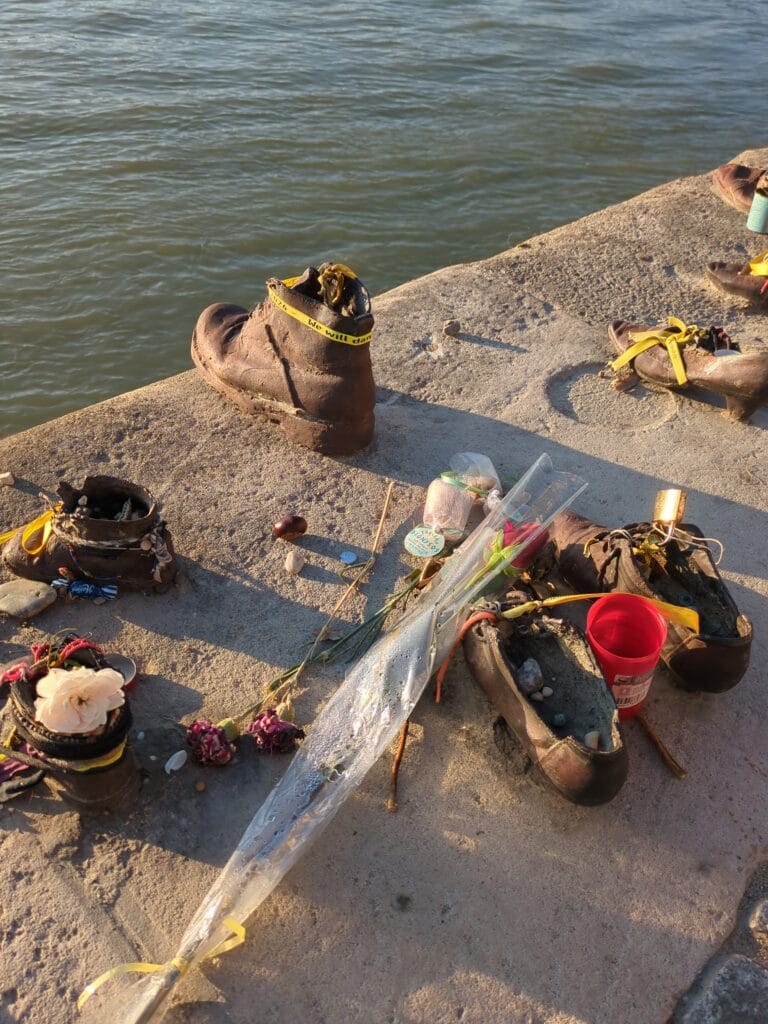
A guided walk through the Jewish quarters and a visit to the Great Synagogue (the largest synagogue in Europe) and the monument of shoes on the quay are highly recommended. It will leave you speechless. Jews fled to Budapest from all over occupied Europe because they were not persecuted here. Until 1944, in the final months of the war, Hitler lost his patience. A coup d’état followed. But the Hungarians sabotaged the attempts to deport Jews, and so the Jews, Gypsies and others were executed on the spot. No one knows how many, but our guide estimated 400,000-600,000
Terror Háza
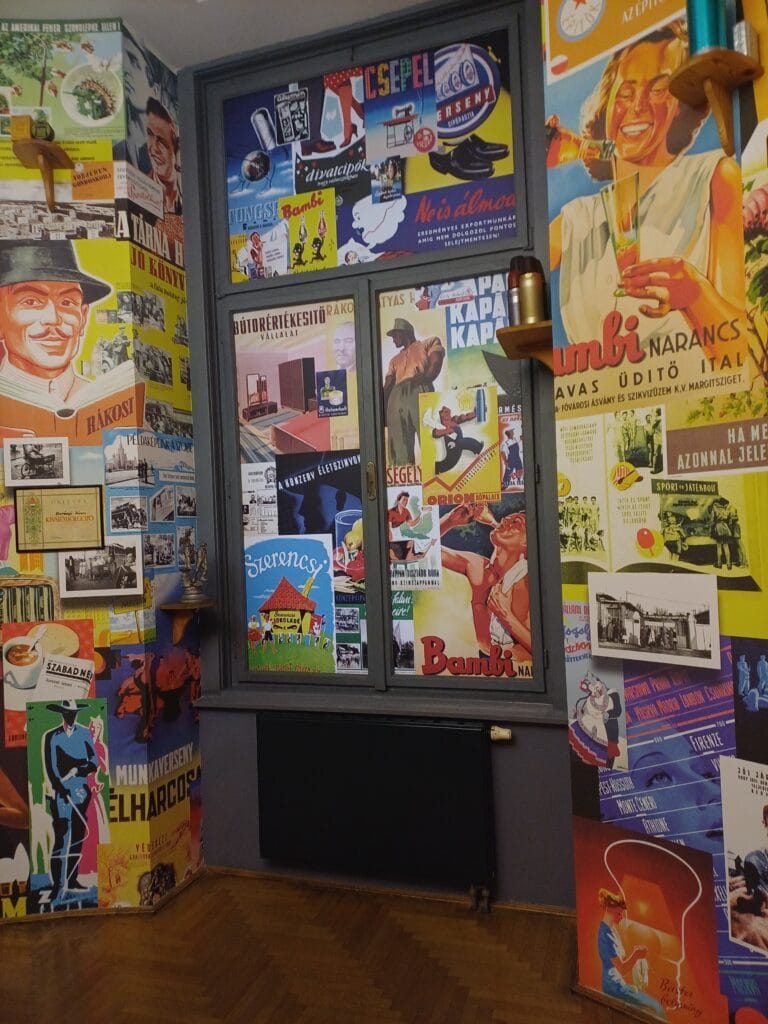
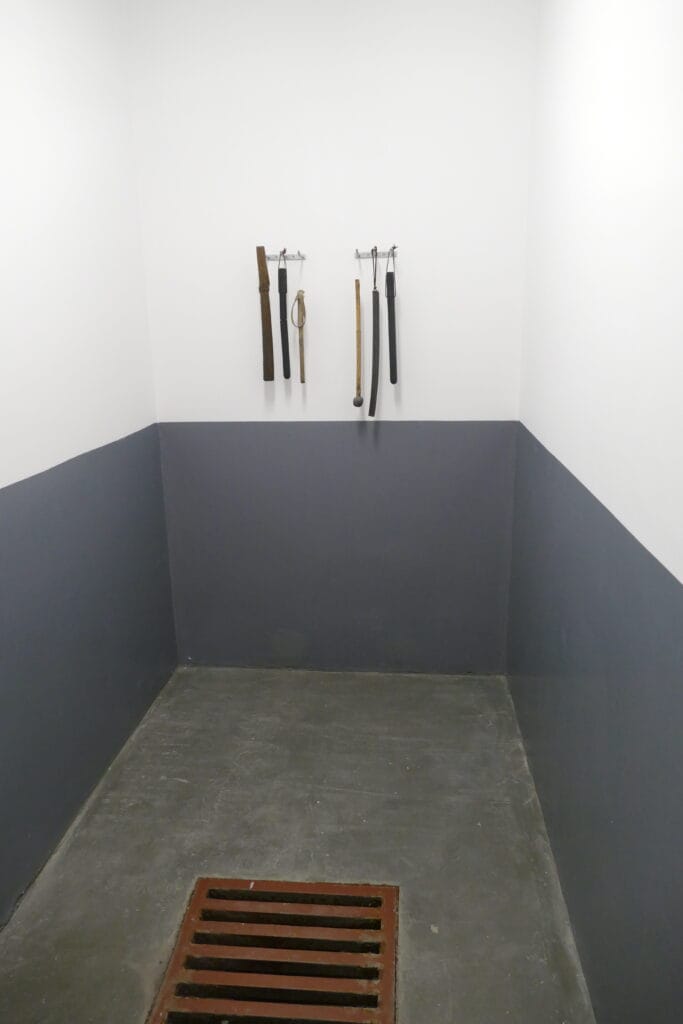
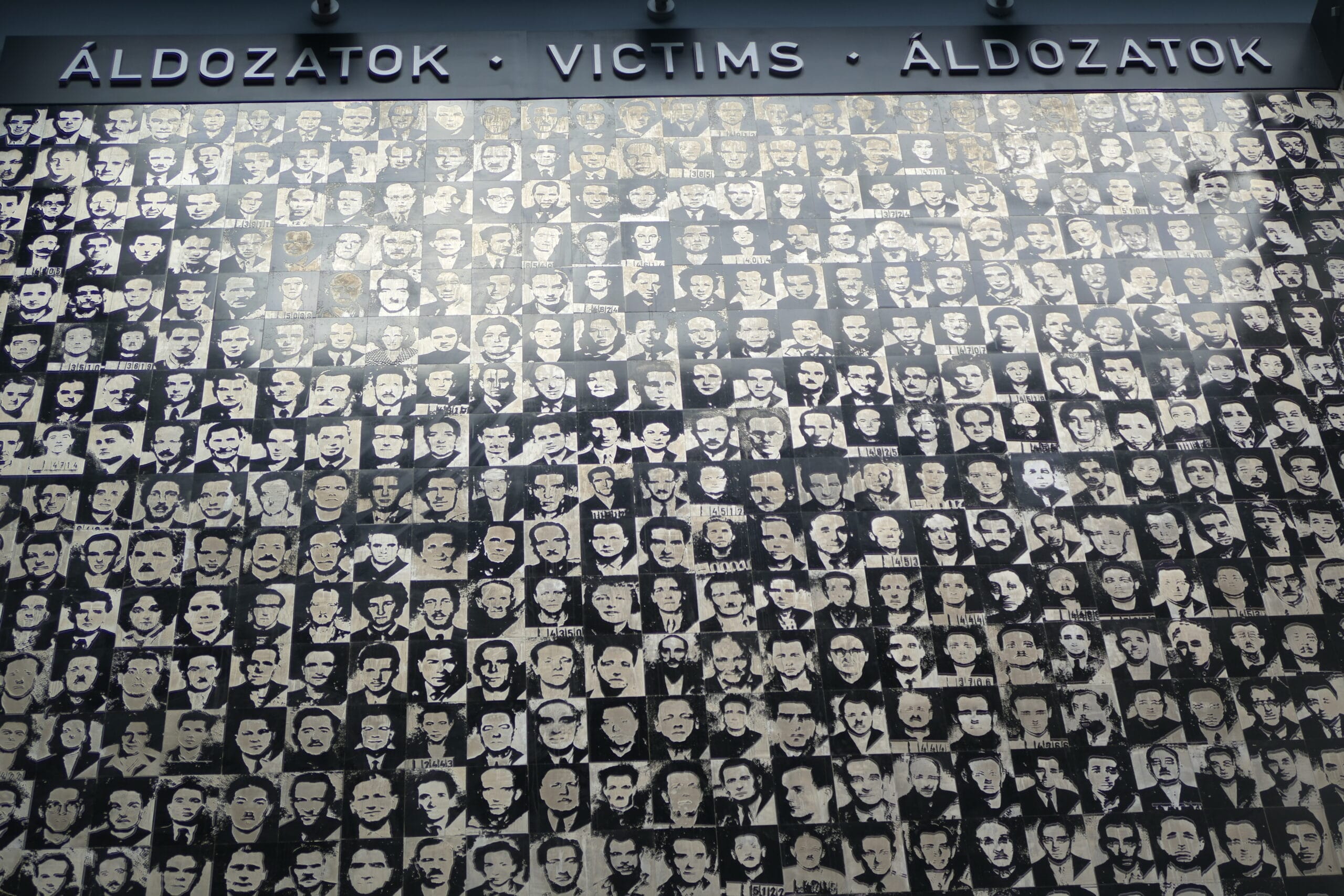
The ‘Terror háza’ (House of Terror) museum displays images of both the Nazi period and the communist period that followed. Haunting, harsh, but still highly recommended. After the dark Hitler period, the Hungarians were ‘liberated’ by the Russians. The images show happy faces, the incredible hope that things will get better, as the Russians had promised. Hitler had not brought what they hoped for, but this time? In the years that followed, landowners and many others were treated ruthlessly. And again, hundreds of thousands died. But the old images on television show the propaganda of that time: would I have believed it? And isn’t this museum just as much propaganda, painting the past as pitch black?
Memento Park
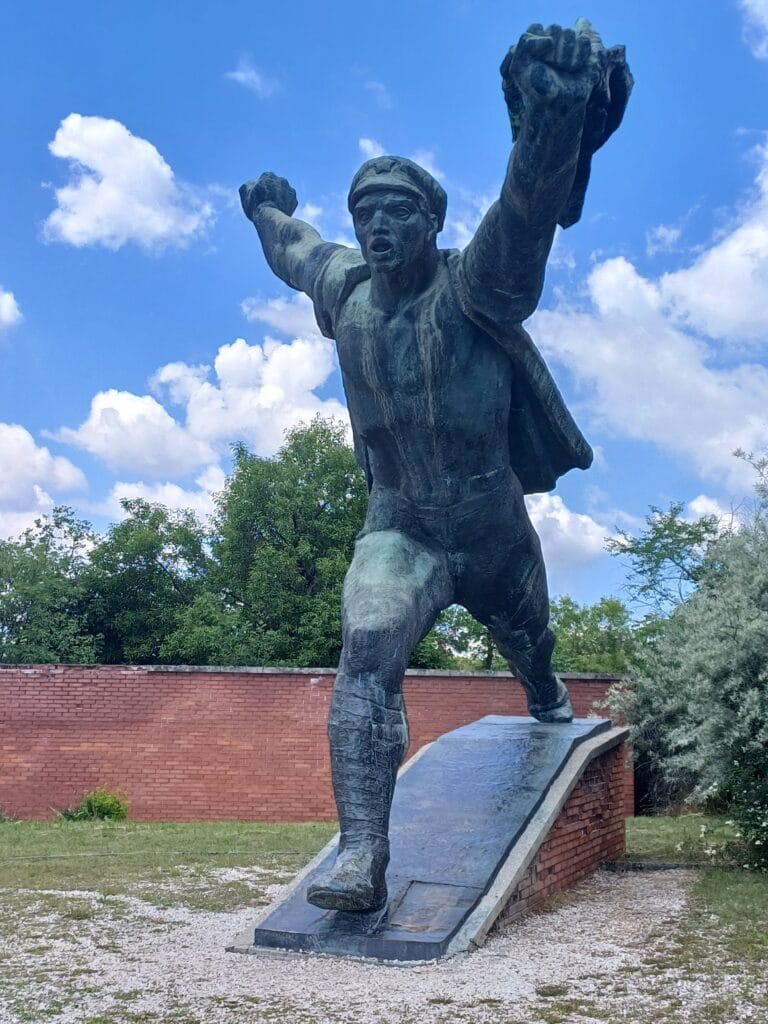
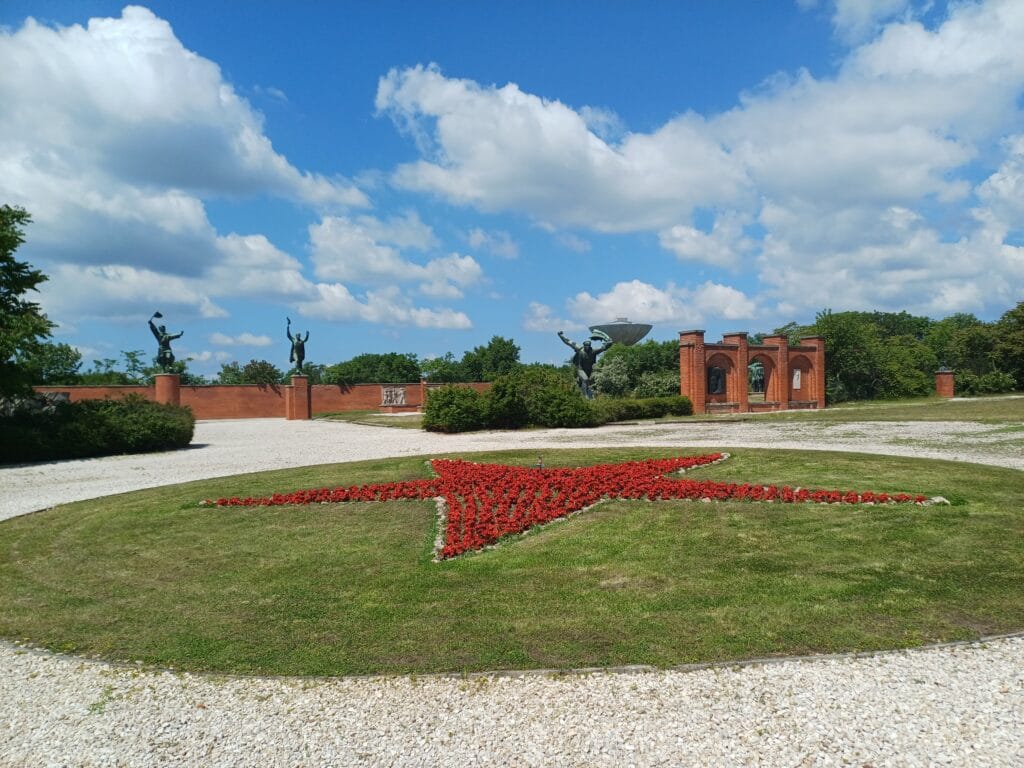
A final excursion about that period was ‘Memento Park’. In various countries, there is discussion about how to deal with images from a history you are not proud of. Take Leopold II in Belgium, for example. Do you destroy them? Do you leave them standing? The Hungarians have gathered their images from the communist period and preserved them in this park. A nice compromise: not forgetting your history, but not honouring it either. How heroic and wonderful! Images created by melting down older images of former rulers. Now they are preserved and interpreted.
Our respect grew for the Hungarians who, despite everything, retained their individuality. We heard many anecdotes of silent resistance: the schoolchildren who had to dig up the potatoes pushed them deeper into the ground with their shoes so that the farmer would have something left. The young people had to learn Russian at school, but they boast that no one really learned it.
And then you realise: my peers here grew up under communism, heard stories about World War II from their parents, and only since 1989 have they belonged to the ‘free West’. With some suspicion, with a certain ‘leave us alone’ attitude and a good dose of melancholy. No wonder the older generation doesn’t speak English.
Our new compatriots: a fascinating, strong and beautiful people. And the lesson we learned once again: every story has two sides, and rarely is anything black and white. Who will tell the story of the present period later on? And what will the conclusion be?